
HERITAGE BUILDINGS
Conserving heritage buildings is crucial for maintaining a connection to our past and ensuring the enrichment of our cultural landscape.
Each historic site requires a specialized approach. Whether through preservation, rehabilitation, or restoration, the historic value of the site is conserved while also delivering the client’s program. Engineering and architectural services play a vital role in the conservation and restoration of these invaluable structures. The following are essential services related to engineering and architecture for heritage buildings:
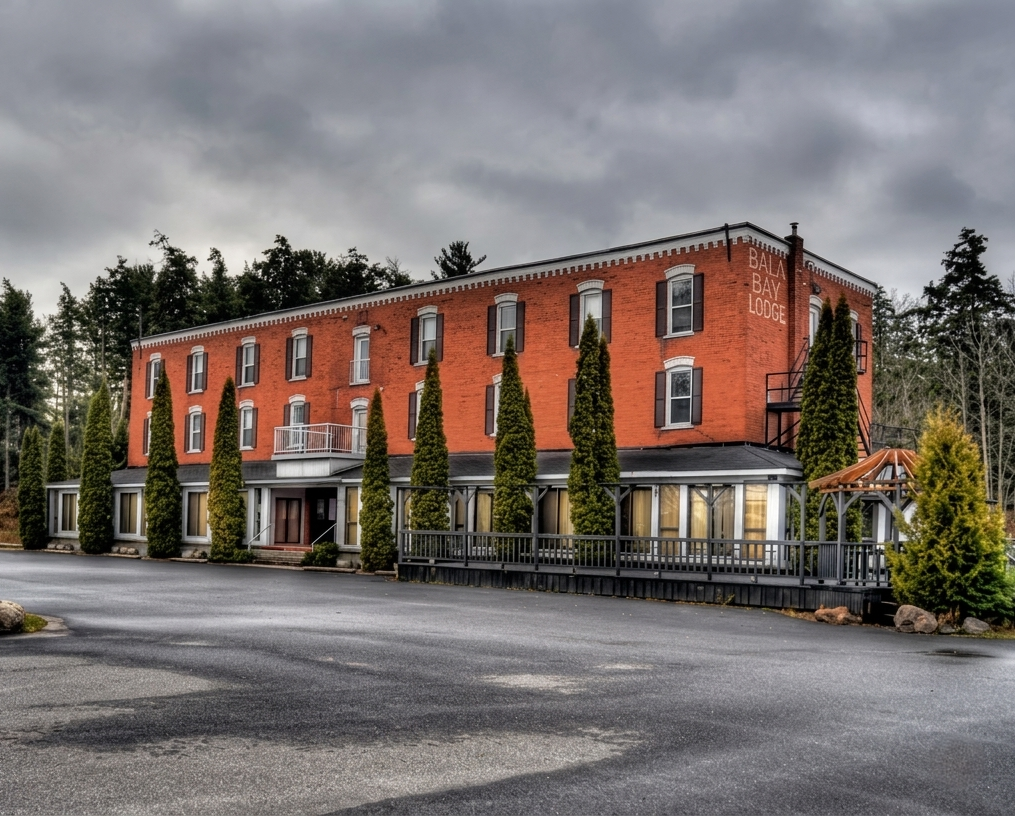
conservation methodology
-
Involves the study, documentation, and evaluation of a site’s historical, architectural, and cultural significance
Documentation includes a detailed building survey and site recording of the structure and/or property and its character defining elements
Includes recommendations for preservation, restoration, or appropriate adaptive re-use that ensures the safeguarding of cultural heritage for future generations
-
Ensures that a proposed development respects and enhances the cultural heritage of the area while fulfilling the project’s objectives
Examines the potential impacts of a proposed development or project on the cultural heritage of a specific area
Recommends measures to minimize or mitigate any adverse heritage impacts
A Heritage Impact Assessment (HIA) can only be carried out after the completion of a CHER
-
Conducting detailed structural assessments to understand the current condition of the building and identify any weaknesses or areas requiring immediate attention
Analysis of potential risks and safety concerns
Utilizing advanced analytical tools to assess the load-bearing capacity of the structure and determine the best course of action
Recommendations for appropriate repair, reinforcement, or retrofitting
-
Developing comprehensive preservation plans that encompass architectural, historical, and cultural significance while integrating modern functionality
Creating detailed designs that adhere to conservation standards and guidelines, while implementing innovative solutions to ensure the building's longevity.
-
Employing traditional craftsmanship and modern techniques to meticulously restore and conserve original architectural elements, such as facades, ornamental details, and interior finishes.
Implementing effective measures to mitigate deterioration and prevent further damage, ensuring the building remains structurally sound and visually captivating.
-
Upgrading heritage buildings to meet contemporary safety and accessibility standards without compromising their historical integrity.
Integrating discrete solutions, such as seismic retrofitting and installing non-intrusive accessibility features, to enhance the building's overall usability.
-
Collaborating with conservation experts to repurpose heritage buildings for modern functions, such as residential, commercial, or cultural spaces, while respecting their original character.
Introducing sustainable technologies and energy-efficient systems to minimize the environmental impact without altering the building's historic fabric.